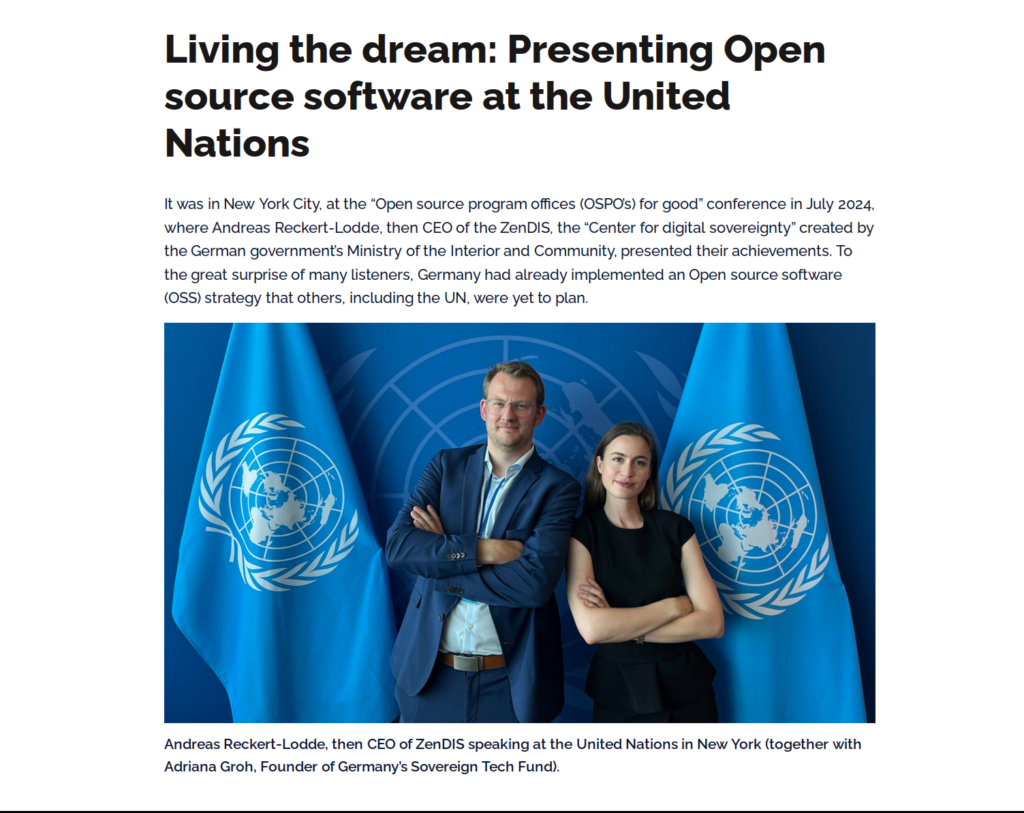
The Millenium was one week old…
Here’s a selection of 25 years of Open Source consulting and coaching. Scroll down for the most recent highlights or jump to one of the past years:

Feilner IT was founded on January 7, 2000, in Regensburg, by Markus Feilner. The senior Linux expert had been gathering Linux experience and had been doing services for customers like the Regensburg university since 1994.
Feilner-IT quickly grew to a sustainable company based on open source and journalism. Learn more about Markus in his profile (PDF: English and German).
Markus has written books, helped customers and partners in politics, industry, education and public administration. On top of all that, for 10 years, he was deputy editor-in-chief of the german Linux-Magazin, Team Lead documentation at SUSE Linux (where he helped to build a documentation team from 5 to 16 members). Since 2019, Markus has been acting as an open source business angel (“ambassador”), developing the concept of agile recursive documentation, on-boarding and open source leadership.
News and Recent Highlights from 2025-2026
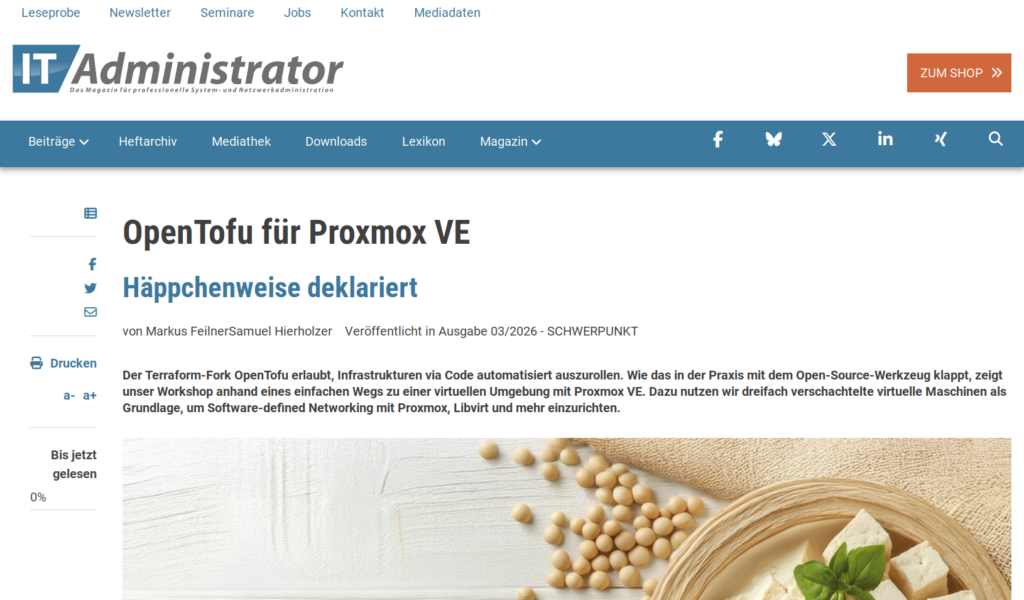
For IT Administrator, March 2026: (in German) The Terraform-Fork OpenTofu allows you to automatically roll out
infrastructures via code. Our workshop shows how this works in practice
with the open source tool using a simple way to a virtual environment
with Proxmox VE. For this purpose, we use triple-nested virtual machines
as a basis to set up software-defined networking with Proxmox, Libvirt
and more.
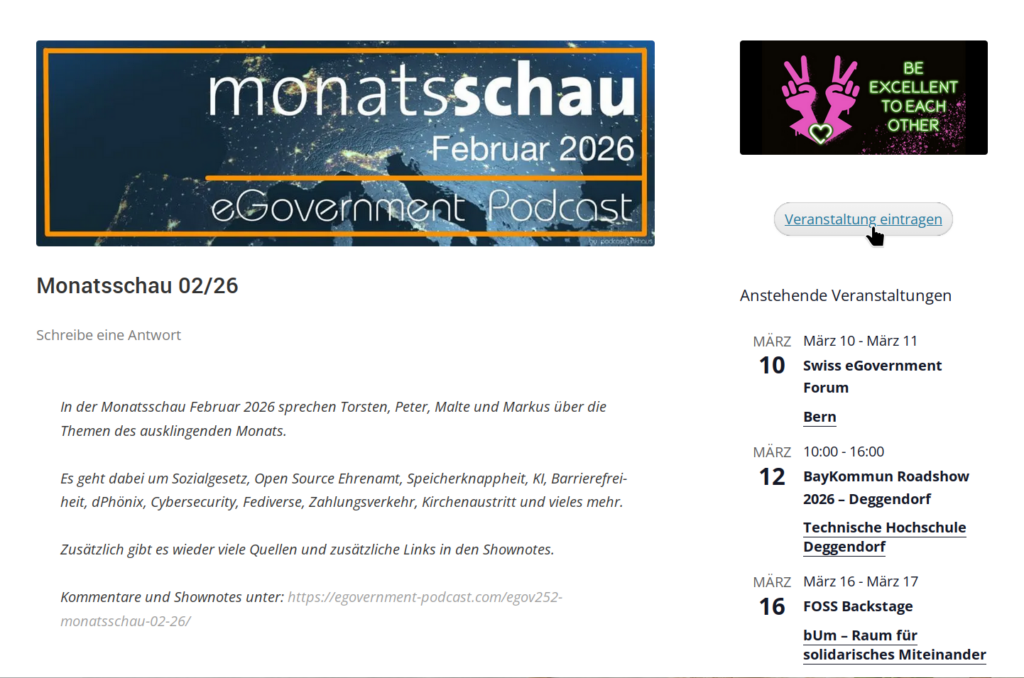
Markus was on the February, 2026 episode of eGovernment Podcast (in German).
Torsten, Peter, Malte and Markus talk about the topics of the end of the month, including social law, open source volunteering, memory shortages, AI, accessibility, dPhönix, cybersecurity, fediverse, payment transactions, church exit and much more.
For Golem, Feb 2026: Management errors and dubious resolutions at Dataport Phoenix (in German)
“The Phoenix open source project should be an agency alternative to Microsoft 365. The Hamburg Court of Auditors is now not leaving a good hair on Dataport, the state service provider behind it.”
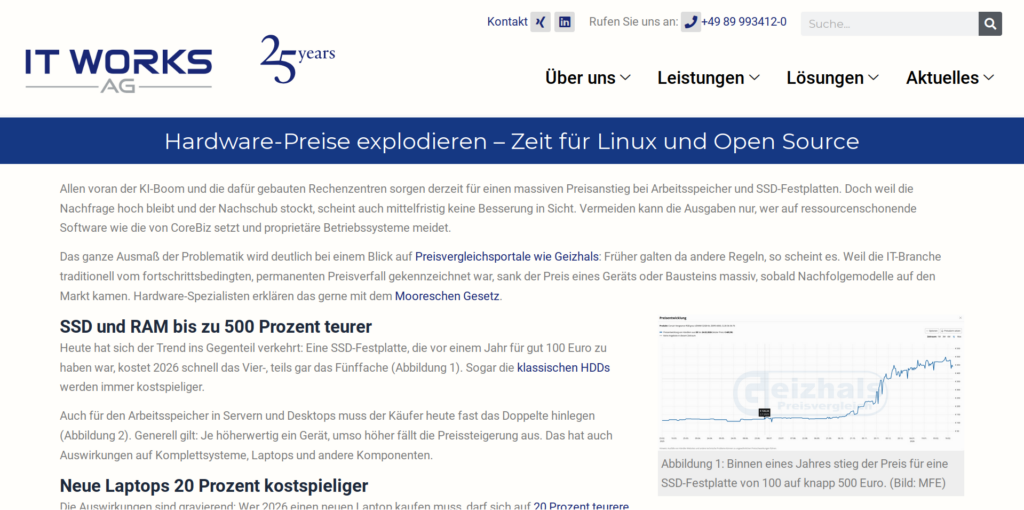
For IT Works, Feb 2026: Hardware-Preise explodieren – Zeit für Linux und Open Source (in German)
“Above all, the AI boom and the built data centers are currently ensuring a massive price increase in memory and SSD hard drives. But because demand remains high and supplies are stalled, no improvement seems to be in sight in the near term either.”
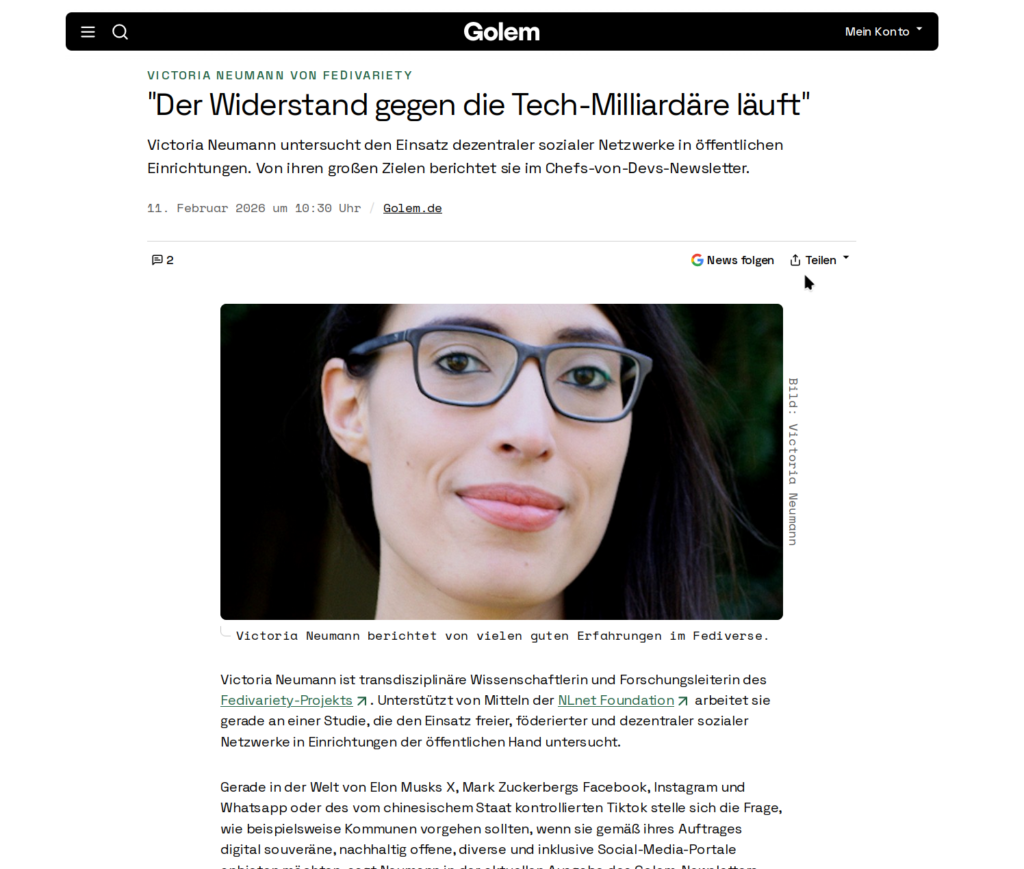
For the Golem newsletter “Chefs von Devs”, Feb 2026:
“The resistance against the tech billionaires is ongoing” Victoria Neumann examines the use of decentralized social networks in public institutions.
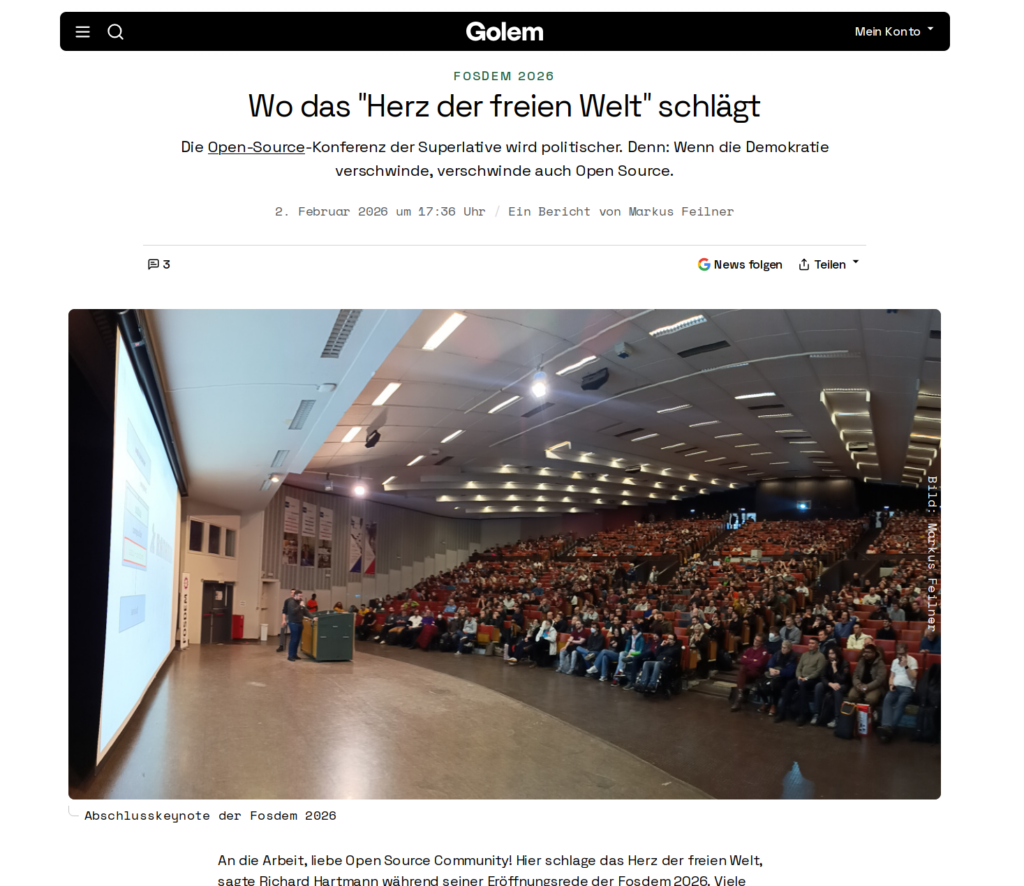
For Golem, Feb 2026:
Where the “heart of the free world” beats The superlative open source conference is becoming more political. Because: If democracy disappears, open source will also disappear.
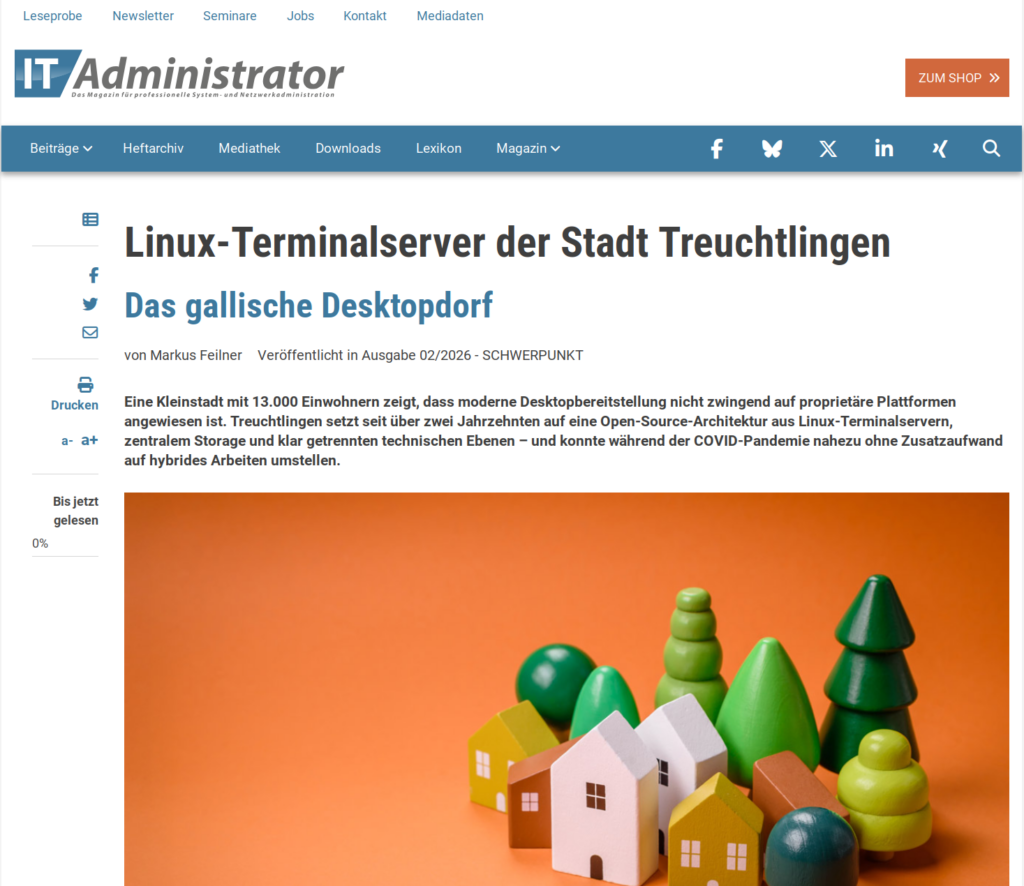
For IT-Administrator, Feb 2026:
A small town of 13,000 people shows that modern desktop delivery doesn’t necessarily rely on proprietary platforms.
For Golem, Feb 2026:
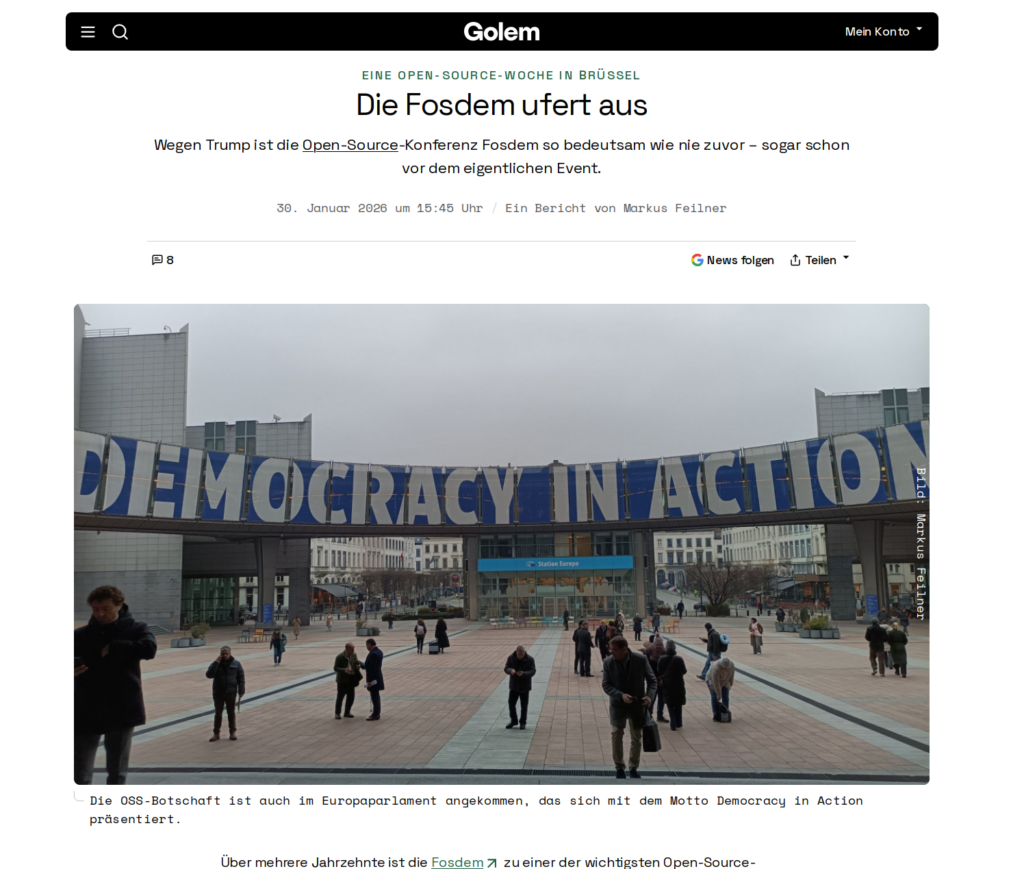
Because of Trump, the Fosdem open source conference is more important than ever – even before the actual event.
For Golem, January 2026:
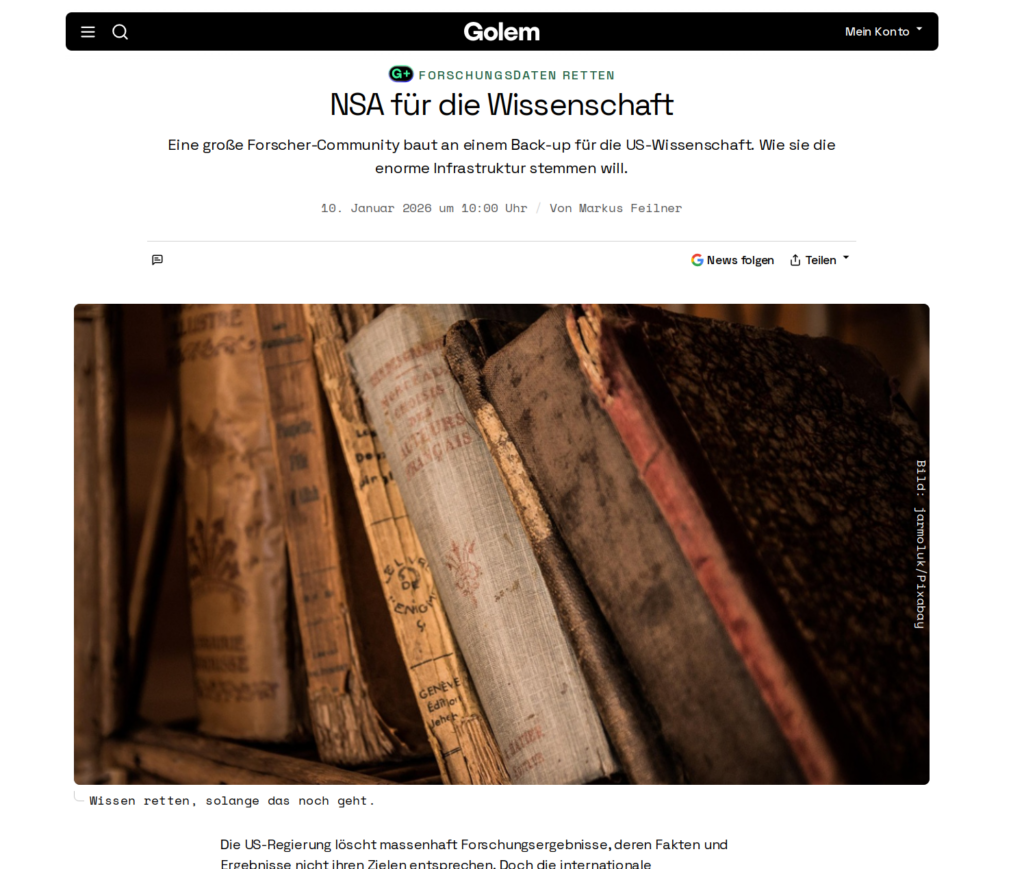
The US government is deleting mass amounts of research whose facts and results do not meet its goals. But the international research community has taken countermeasures to keep the loss of knowledge as small as possible. And even if things are going well for digital sovereignty, there is still a lot to do.
For Golem, January 2026:
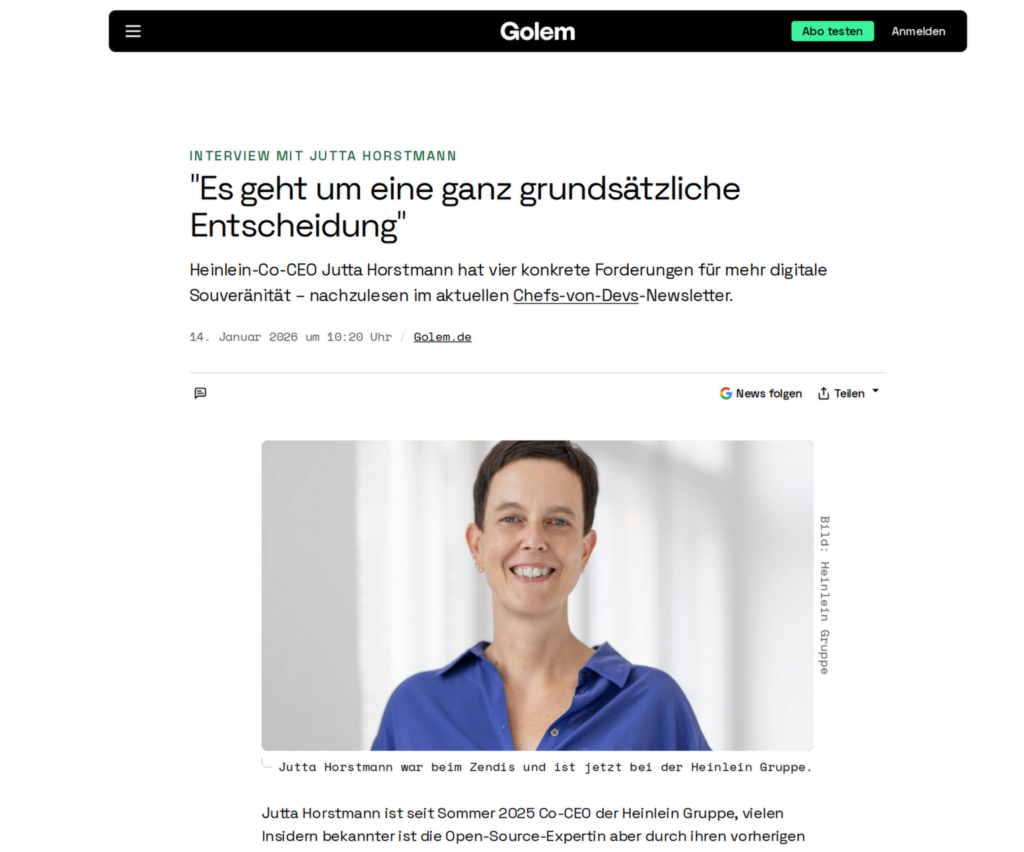
Interview with Jutta Horstmann: “It’s about a very basic decision”
Heinlein co-CEO Jutta Horstmann has four concrete demands for more digital sovereignty – to read in the current Chefs-von-Devs newsletter.
For Golem, January 2026 (This is the most read article on Golem right now):
Now it’s getting expensive for everyone
(German) Management continues to love a phantom, but in 2026 it will be a risk for everyone. Because private households and taxpayers will foot the bill for the costs of the AI bubble.
Tax Money Export: One Billion Euro for Microsoft Cloud Products? #Steuergeldexport ? Open Letter to the Bavarian Government (German): Against all reason, business rationality, compliance, data protection and risk assessment, the Bavarian government wants to transfer one Billion Euro (“Eine Milliarde”) to Microsoft and purchase MS 365. Feilner IT has written an open letter which can be signed by YOU starting on Monday, Oct, 27.

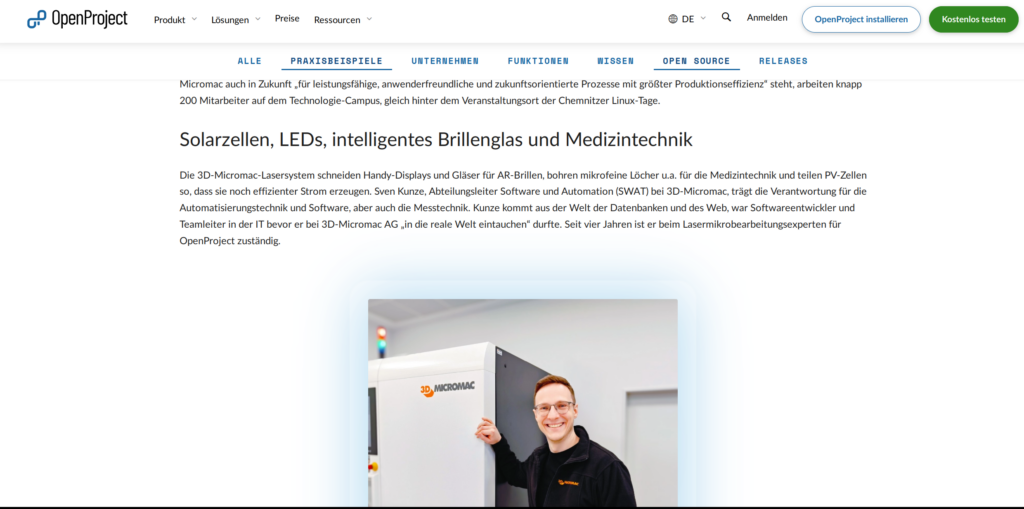
Case Study in April 2025: Lasers in the micrometer range: OpenProject at 3D-Micromac in Chemnitz
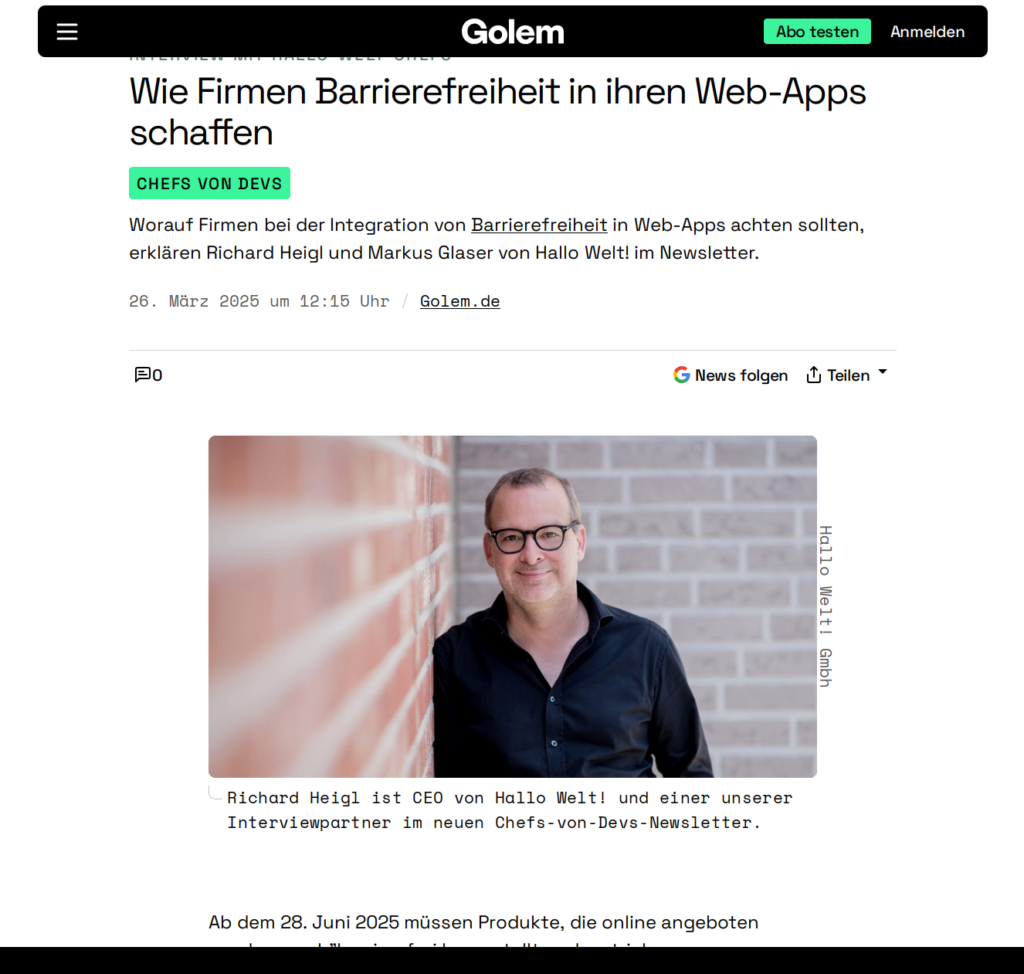
For the the Golem newsletter,
“Chefs von Devs,” in March 2025, Markus Feilner interviews CTO Markus Glaser and CEO Richard Heigl of Regensburg-based Hallo Welt! GmbH who explain what the developer of the open-source knowledge management system Bluespice has learned from integrating accessibility into its web application, and what other software developers should pay attention to and focus on as they prepare for the BFSG.
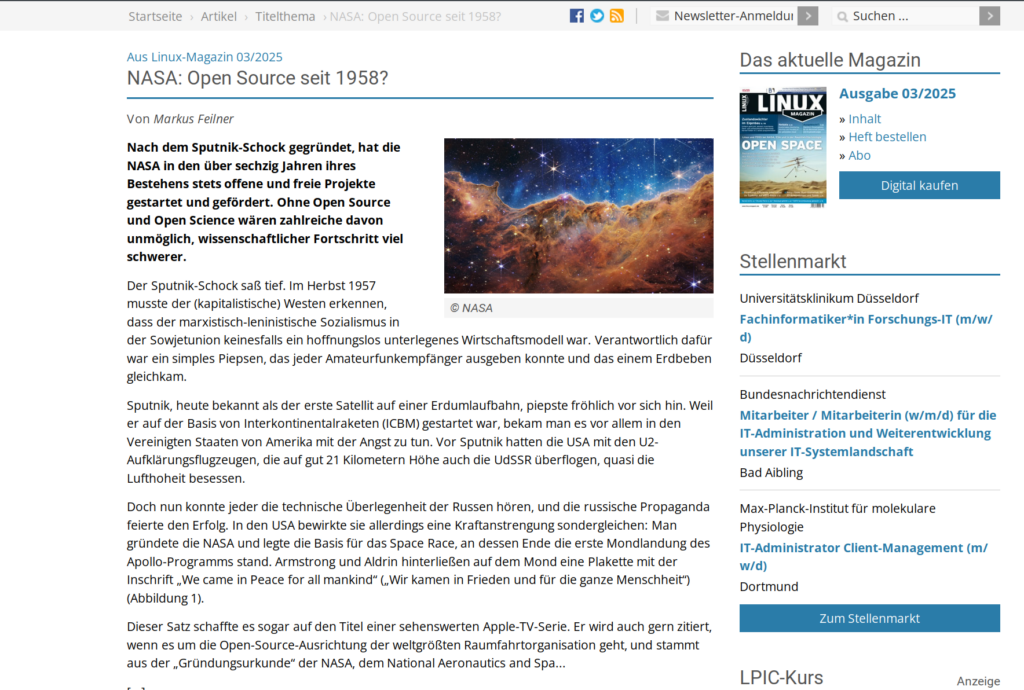
Also in March 2025, Markus wrote about how Open Source was built into NASA from the start and how it came to be.
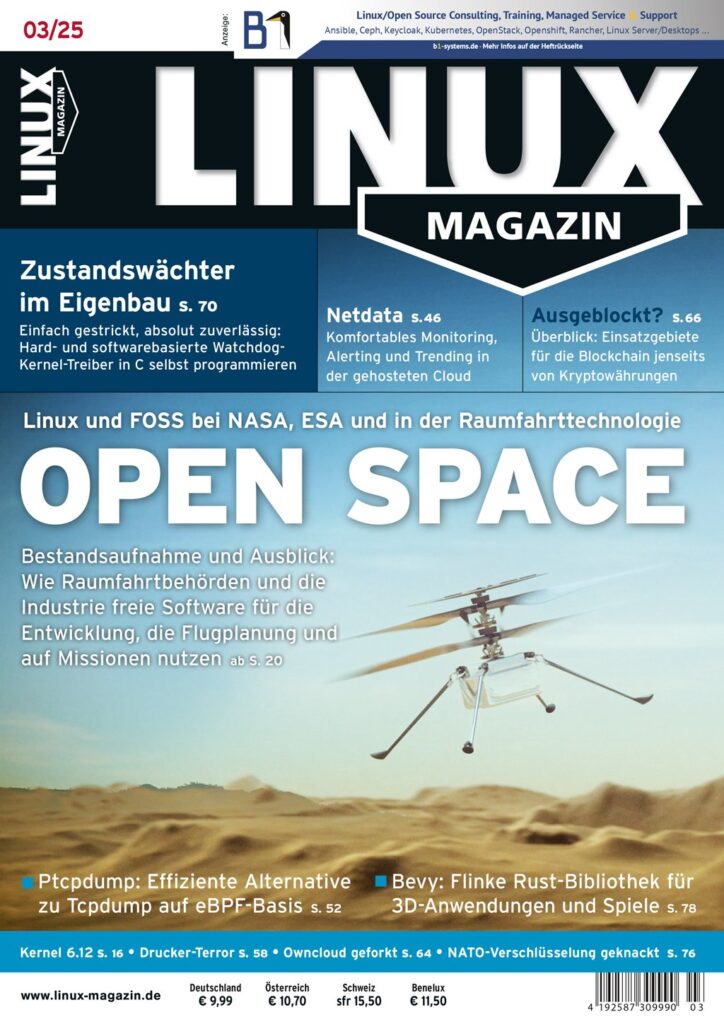
Markus wrote about the relationship of Open Source and the European Space Agency (ESA), with insight ranging from the history to today for Linux Magazin, March 2025.
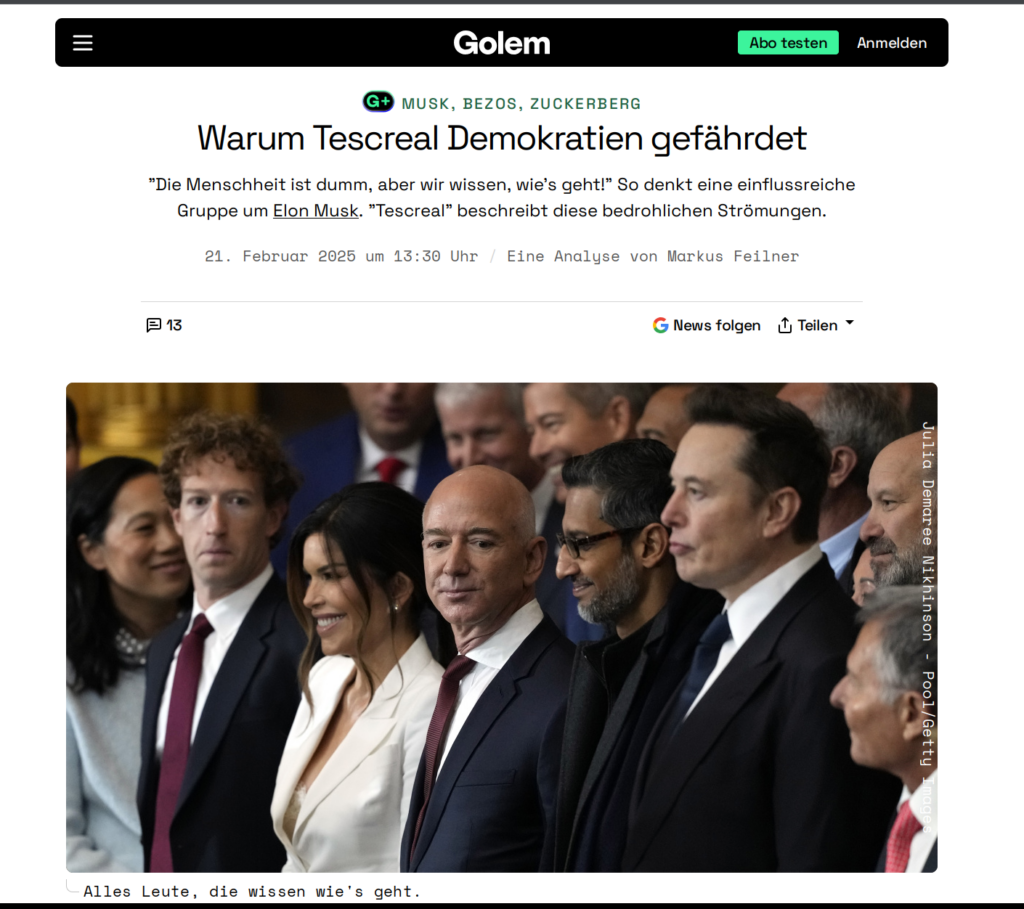
Markus dives into the concept of TESCREAL (Transhumanism, Extropianism, Singularitarianism, (modern) Cosmism, Rationalist ideology, Effective Altruism, and Longtermism) and the danger to democracy for Golem, February 2025.
To start off 2025, Markus wrote ZenDIS, openDesk, and openCode: How Germany is transforming their public sector with open source for All Things Open.